

Growth is easy to measure. Headcount, facilities, assets and turnover all show up on paper. What is harder to measure is whether a company still recognises itself after it has grown. For RTS, that question has become increasingly relevant in recent years.
This is custom heading element
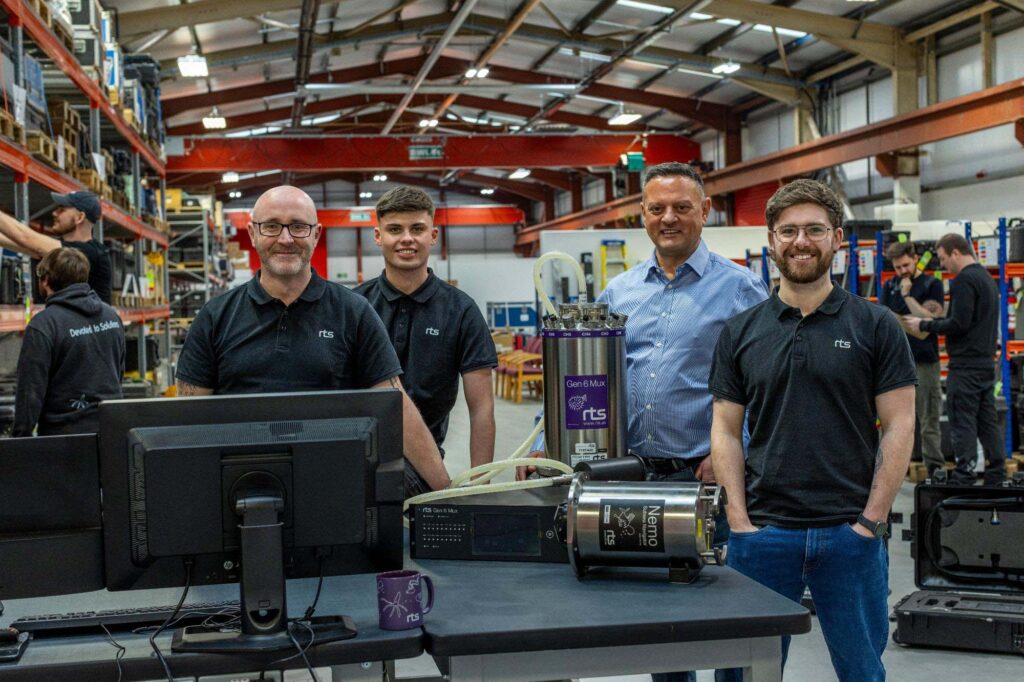
Founded in Norway more than two decades ago, RTS built its position in the subsea sector through smart technical solutions and consistent delivery. Systems were developed in-house, tested thoroughly and supported properly offshore. Subsea equipment rental was never an add-on; it was part of the structure from the beginning. Engineering decisions were made by engineers. Investments were deliberate. Over time, that approach built trust, not only in the equipment, but in the people behind it.
When RTS UK was established at the end of 2022, it began in familiar fashion: six experienced professionals in a 7,000 square foot unit that served as office, workshop and warehouse all at once. It was practical, compact and entirely sufficient.
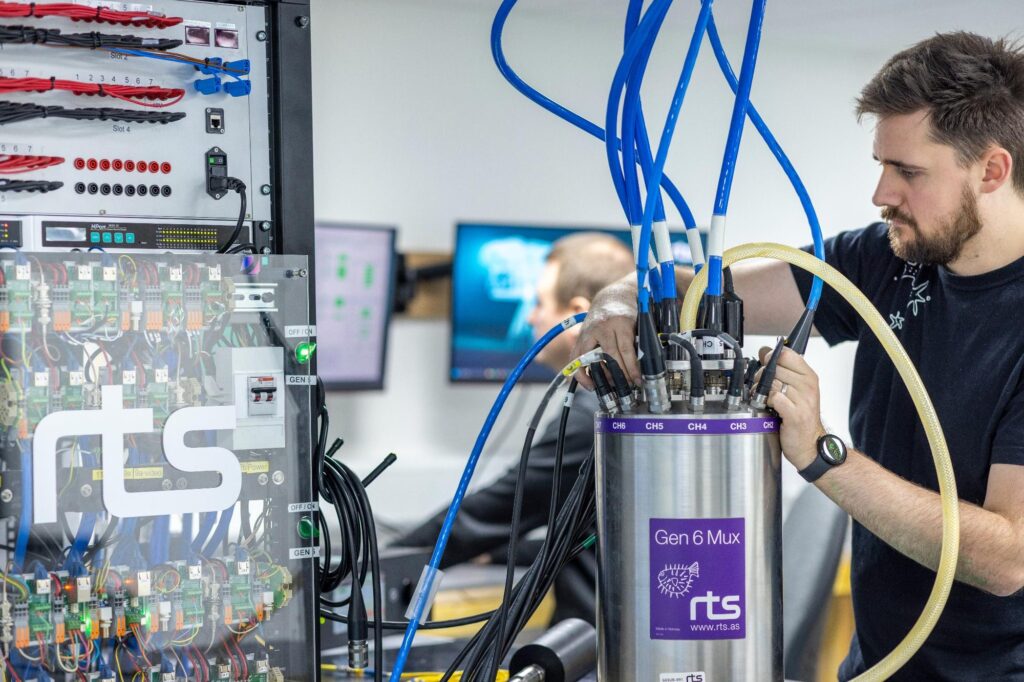
Those early months revealed more about the company’s DNA than any internal statement could. The team had worked together before. There were no ego battles and no territorial lines. Nobody was concerned with where their job ended if something needed doing. The objective was clear: make RTS UK solid from day one, and make it consistent with the standards already set in Norway.
From the Norwegian side, the intention was equally straightforward. The UK operation was not a detached venture; it was part of the same backbone. Engineering development would remain anchored in Åkrehamn, alongside established workshop, tooling and rental operations, while rental capability would expand in the UK, with both sides continuing to strengthen one another.
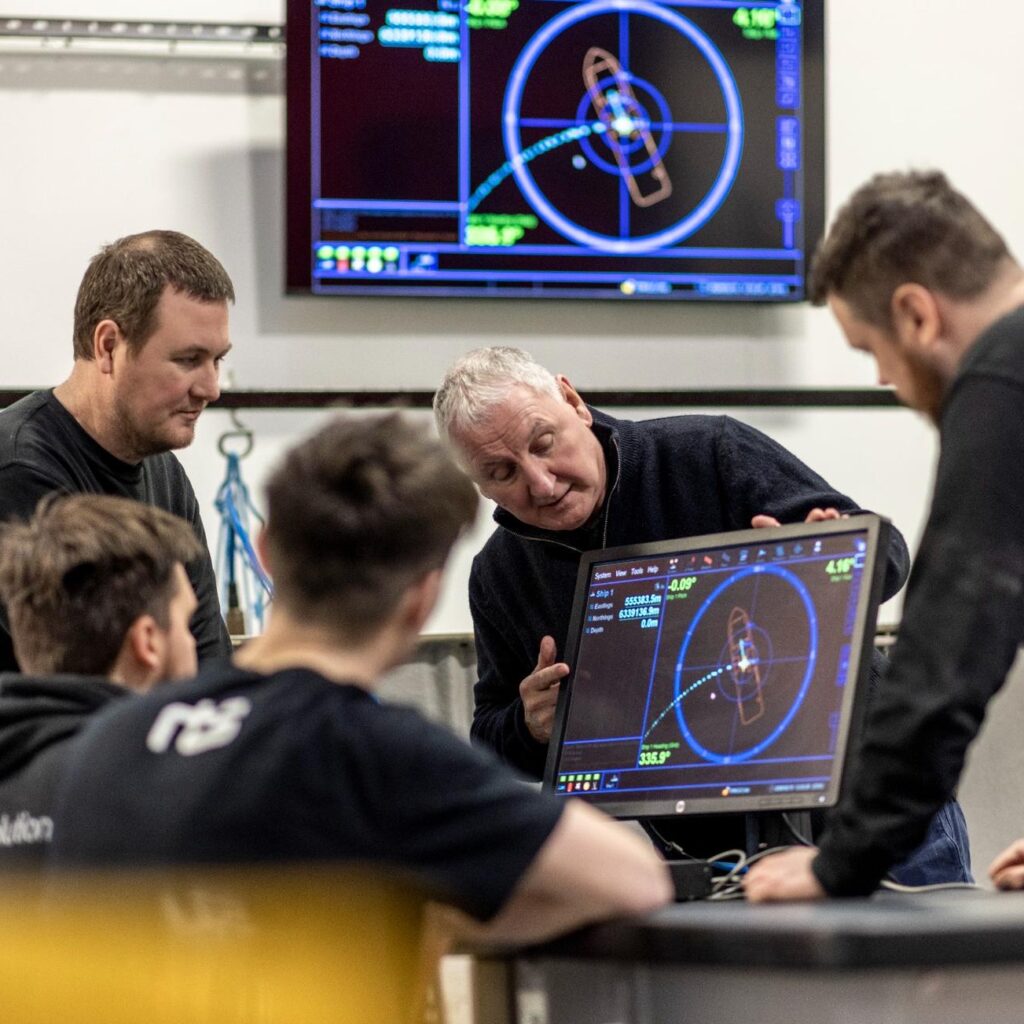
The connection became tangible early on. That first shared Christmas gathering, informal, slightly chaotic and absolutely longer than planned, did more than mark the season. Introductions turned into conversations, conversations into stories, and by the end of the evening there was a sence that this would work. It was not a strategic milestone, but it was the beginning of relationships that have since carried projects and pressure across borders.
In the early phase, equipment availability was the main constraint. Demand frequently exceeded supply. Every investment decision mattered. Assets could not simply be purchased to fill shelves; they had to strengthen capability and credibility. That pressure reinforced habits already embedded in the organisation: careful reasoning, long-term thinking and technical discipline.
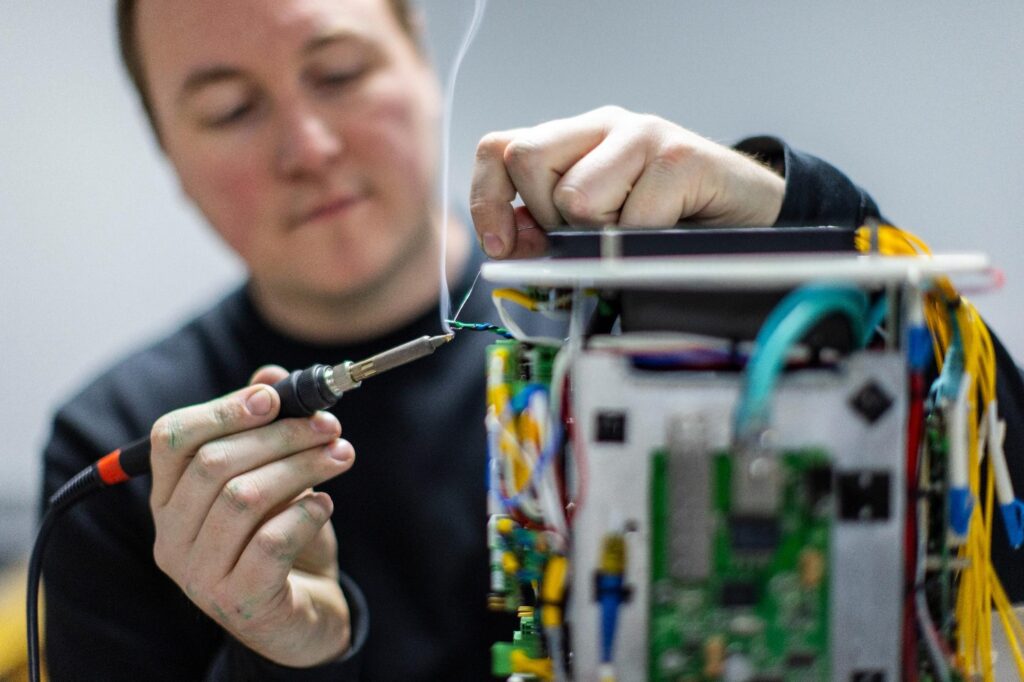
Three years on, RTS UK has grown from six people to twenty-four. The rental fleet has expanded significantly, supported by the wider group. Long-term project awards have followed steady performance rather than sudden leaps. Customers who once associated RTS primarily with multiplexers increasingly recognise the strength of its rental capability.
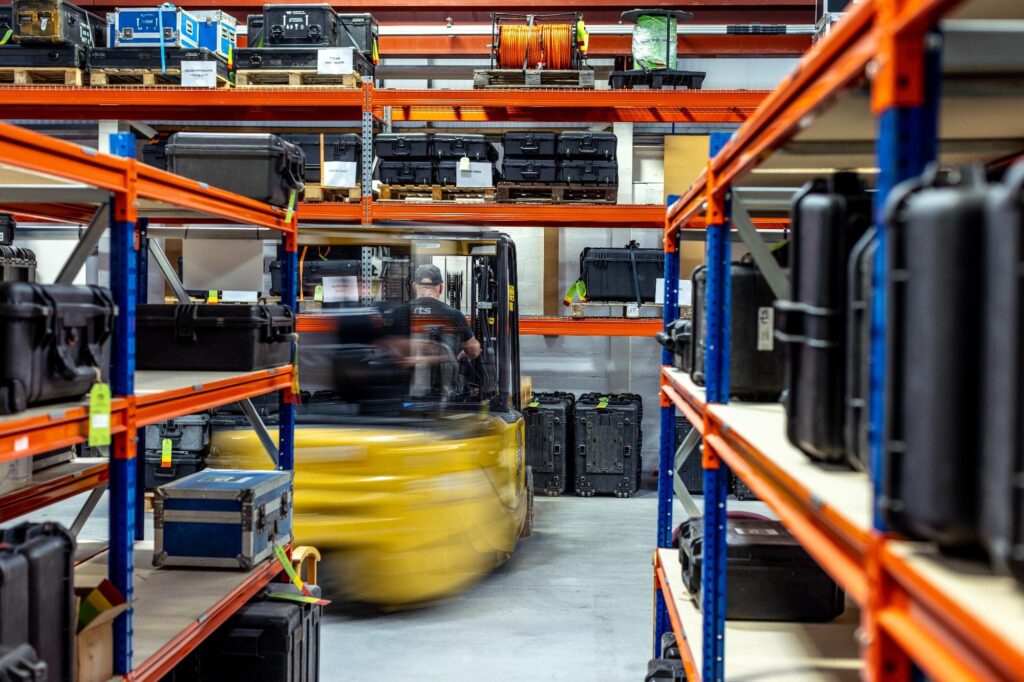
The move in late 2025 to a 22,000 square foot facility marked a visible step forward. Dedicated mux repair and testing workshops, improved warehouse flow and expanded office space created operational breathing room. The building is larger, but the mindset inside remains practical. It was designed for function, not theatre.
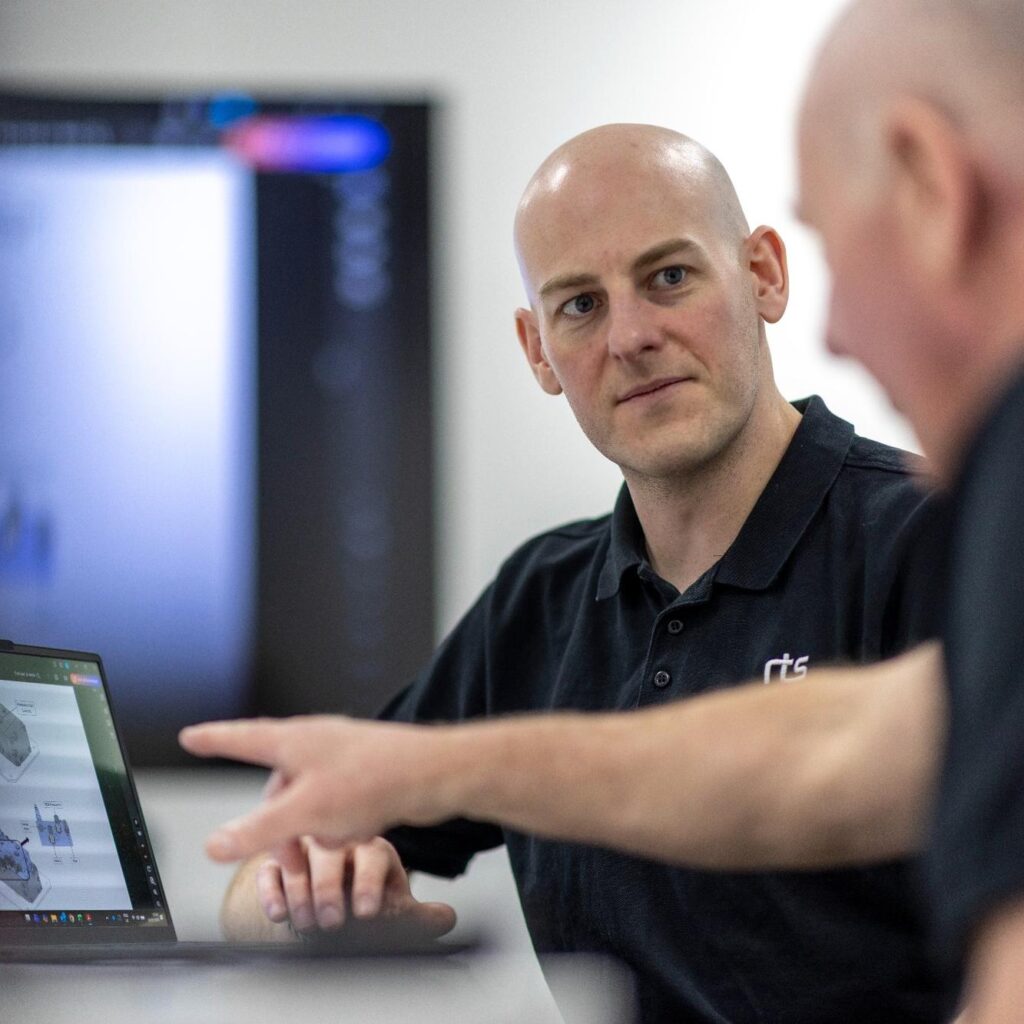
J1W began in very different circumstances. Established during the Covid period around a kitchen table, it was built by a small family team with decades of subsea experience and a clear approach: do the work properly and look after customers well. The early workshop was modest and cold in winter, but the standards were not. Mornings began around the kettle before toolbox talks. Problems were addressed directly. Responsibility was shared.
Growth came steadily, earned through reliability rather than promotion. New hires were chosen as carefully for attitude as for technical skill. There was little hierarchy and no appetite for unnecessary complexity.
“The culture didn’t need introducing.
It was already in the room.”
When conversations about joining RTS began, the commercial case was evident. The more important question was cultural: would joining a larger group alter what made J1W effective?
The answer lay in the similarities. Both organisations valued technical credibility over noise. Both prioritised long-term relationships. Both relied on experienced people taking responsibility rather than waiting for instruction.
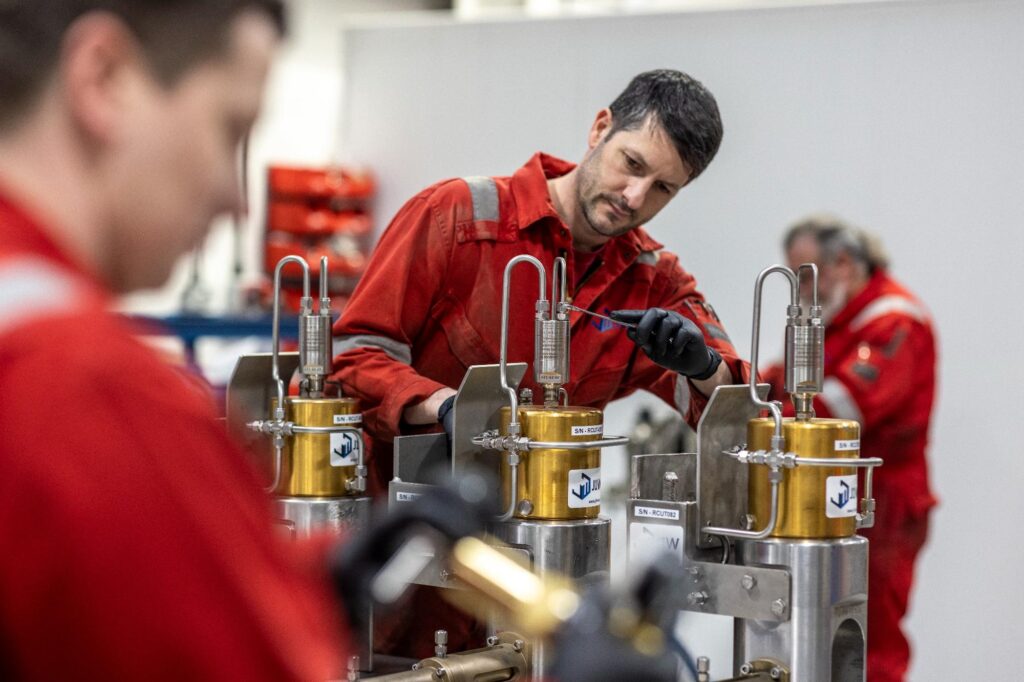
Following the acquisition in late 2025, J1W’s tooling expertise was integrated into the expanded RTS UK facility. Manipulator service stands, tooling test bays and plumbed-in HPUs now sit alongside mux repair and rental operations. Capability has broadened, but the working culture remains recognisable.
Today, RTS operates with development anchored in Norway, supported by an engineering office in Spain and a strengthened UK presence combining rental, tooling and service capability. The organisation is larger and more geographically spread than it was three years ago.
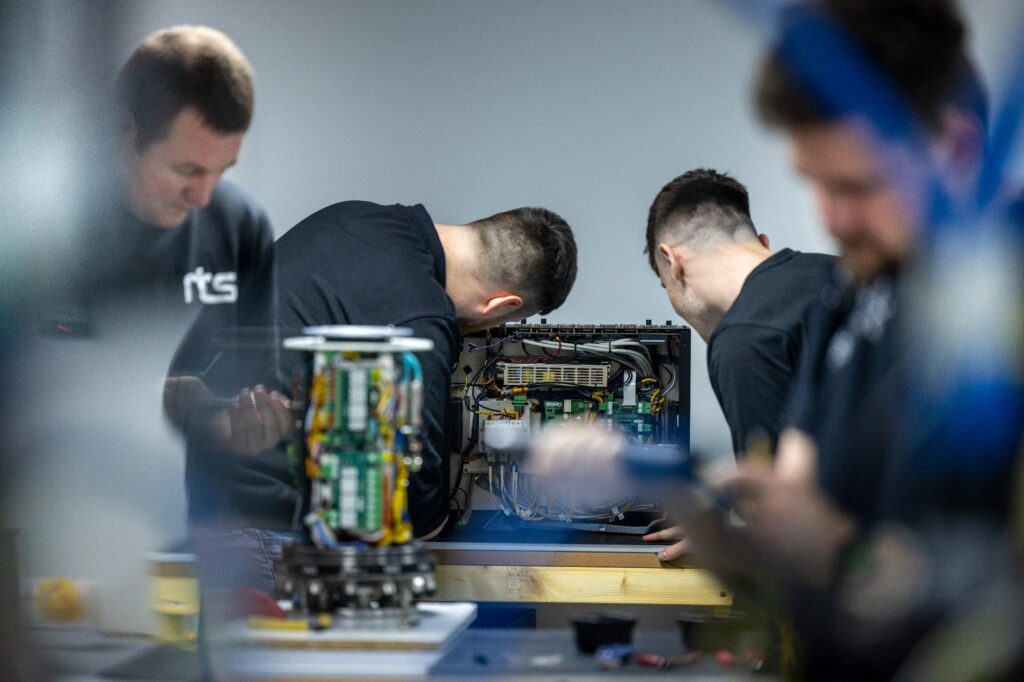
Yet the daily habits are familiar. Technical decisions are still grounded in engineering logic. Investment remains deliberate. Customers are treated as long-term partners. On workshop floors, the question is still how to solve the problem properly, not who owns it.
DNA is not something declared in a strategy document. It reveals itself in behaviour: in how people respond under pressure, how decisions are made when no one is watching, and whether growth strengthens or weakens the foundations beneath it.

So far, RTS has grown without altering those foundations.
And if that discipline continues, the company will not simply expand.
It will grow, and remain unmistakably itself.
Published in issue #46 Ocean Robotics Planet